
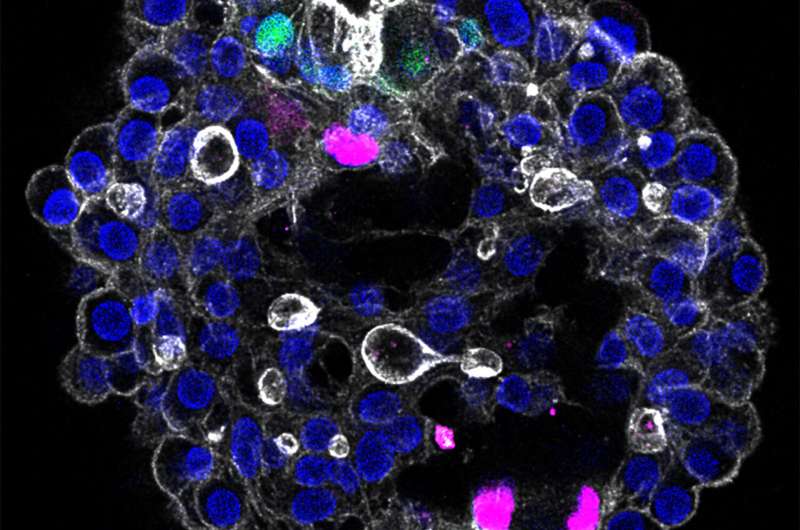
Due to the liver’s unique architecture, existing human models fail to replicate the complex interactions between different cell types in the liver and accurately show how diseases progress.
Existing tissue-derived liver organoid models consist of only one cell type and fail to replicate the complex cellular composition and tissue architecture, such as the liver periportal region. Complex 3D multicellular models that capture human liver portal cellular interactions do not exist for adult human liver tissue yet. This limits the ability to study liver disease and develop new treatments.