
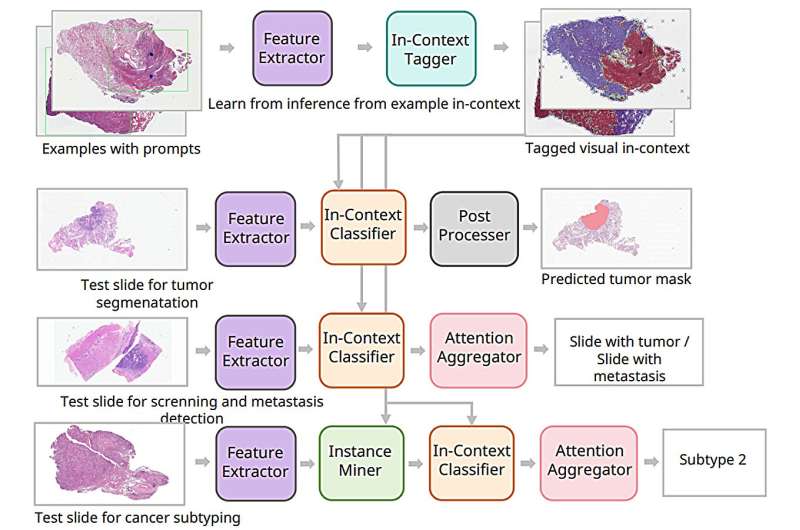
This breakthrough significantly enhances the flexibility and efficiency of AI-assisted medical care, marking a major step forward toward the widespread adoption of intelligent pathology.
Each year, nearly 20 million new cancer cases are diagnosed worldwide, with pathological examination playing a pivotal role in clinical diagnosis and treatment decision-making. However, amid a severe global shortage of pathologists, the medical community is increasingly in need of innovative solutions to improve the efficiency of pathological analysis. While AI holds great potential for automating pathological diagnostics, its practical deployment remains constrained by multiple challenges.