
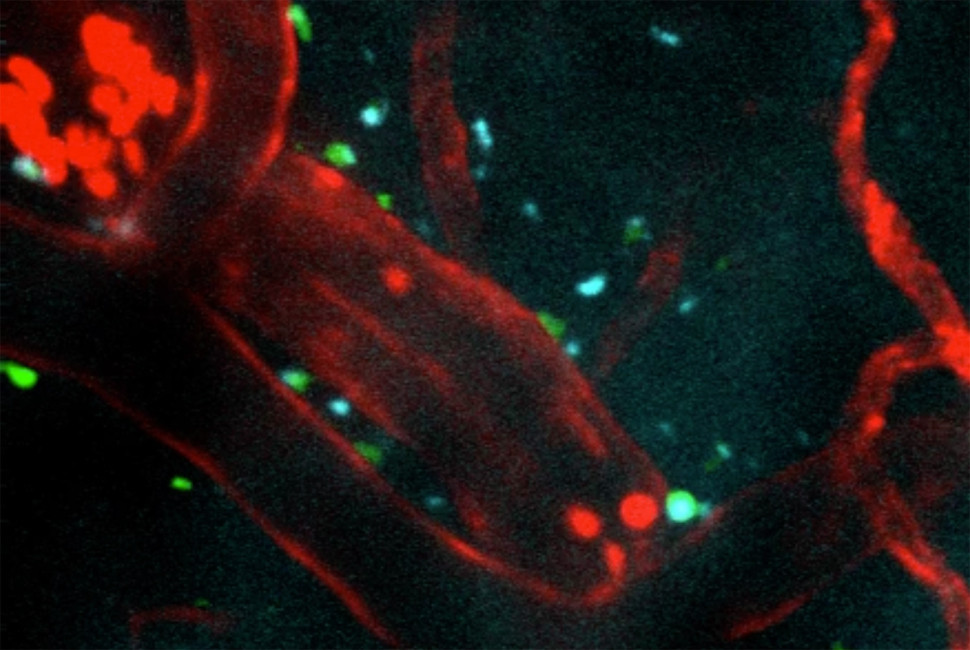
When a person suffers a stroke, physicians must restore blood flow to the brain as quickly as possible to save their life. But, ironically, that life-saving rush of blood can also trigger a second wave of damage — killing brain cells, fueling inflammation and increasing the odds of long-term disability.
Now, Northwestern University scientists have developed an injectable regenerative nanomaterial that helps protect the brain during this vulnerable window.
In a new preclinical study, the team delivered a single intravenous dose, immediately after restoring blood flow, in a mouse model of ischemic stroke, the most common type of stroke. The therapy successfully crossed the blood-brain barrier — a major challenge for most drugs — to reach and repair brain tissue. The material significantly reduced brain damage and showed no signs of side effects or organ toxicity.