
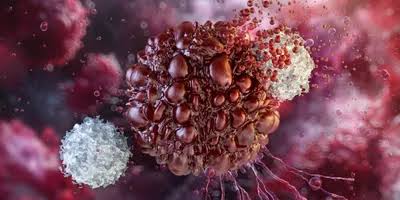
BYU preclinical research shows a new immunotechnology called MOTO-CAR that genetically engineers macrophages—immune cells that can enter solid tumors—to recognize cancer-associated markers, attack the tumor cells and activate other immune cells with a memory to fight the cancer. Researchers hope it will eventually lead to treatments for difficult-to-cure cancers, including glioblastoma, triple-negative breast cancer and pancreatic cancer.
“Our unique MOTO-CAR technology is designed to convert the patient’s own immune system to recognize and fight the cancer,” said Kim O’Neill, a BYU professor of microbiology and molecular biology. “We are hoping to make the treatment cost more affordable so that people can use it around the world. If successful, this technology may reduce the need for surgery, chemotherapy or radiation.”