
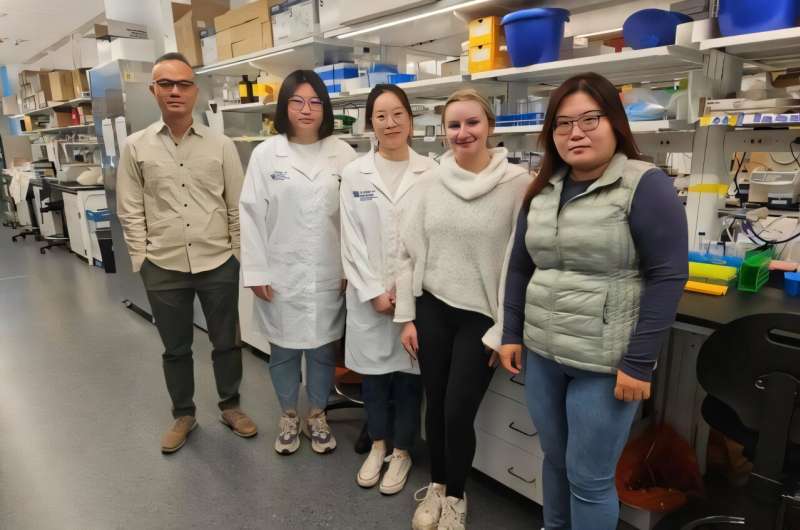
The research, led by Ka Wing Fong, Ph.D., and published in Molecular Cancer Research, identifies a biological pathway that helps prostate cancer cells produce the energy they need to grow in bone. The findings could lead to new therapies for patients with bone metastases, which occur in approximately 90% of men who die from metastatic prostate cancer.
When prostate cancer spreads to the bones, current treatments often provide limited relief from pain and other complications. Patients with bone metastases face a five-year survival rate of just 33%.
How the TRIM28-LDHA pathway works
The research team found that a protein called TRIM28 activates a metabolic enzyme known as LDHA. LDHA helps cancer cells convert glucose into energy through a process called glycolysis. The study showed that blocking this TRIM28-LDHA pathway reduced tumor growth in lab models.