
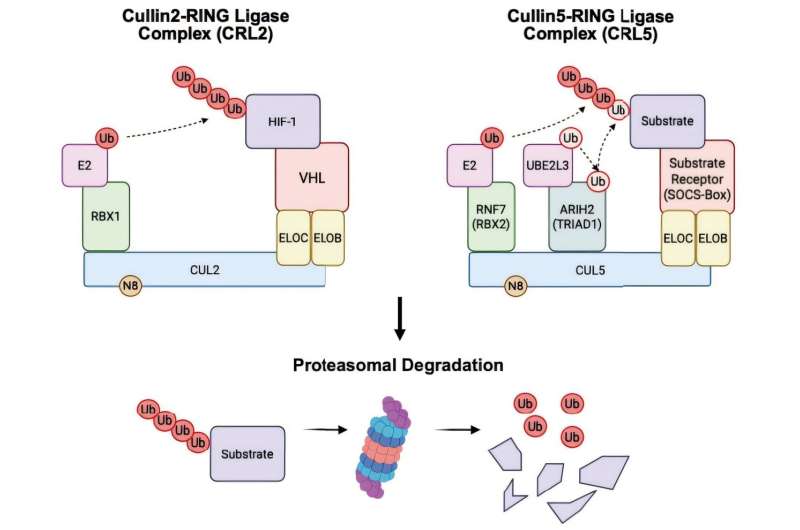
In the study published in the journal Cancer Immunology Research, investigators found that blocking the pathway, known as the Cullin-5 RING E3 ligase complex (CRL5), allowed engineered immune cells to stay active longer, produce stronger antitumor responses and resist exhaustion in preclinical models.
The discovery could help researchers develop longer-lasting immunotherapies for solid tumors, including CAR T-cell therapies and other forms of adoptive cell therapy.