
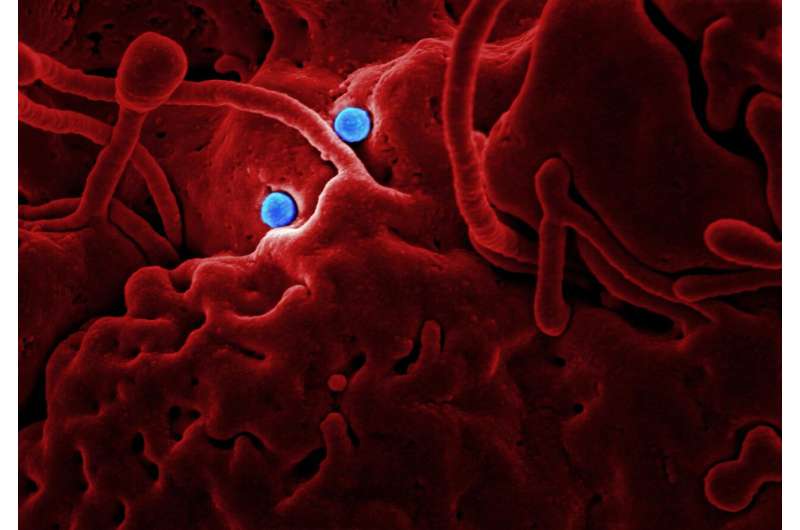
Published in Cell Reports Medicine and supported by Nebraska’s Gnotobiotic Mouse Program, under the direction of Amanda Ramer-Tait, the study helped pinpoint a specific gut bacterium that can boost the body’s ability to fight melanoma.
Working with longtime collaborators at Cedars-Sinai and other institutions, Ramer-Tait co-led research showing that Bacteroides uniformis and the metabolites it produces can help suppress tumor growth. The bacterium converts the amino acid tryptophan into indoles, which boosted antitumor immunity in mice. The findings open the door to future microbiome- and diet-based strategies that could help more cancer patients respond to immunotherapy.