
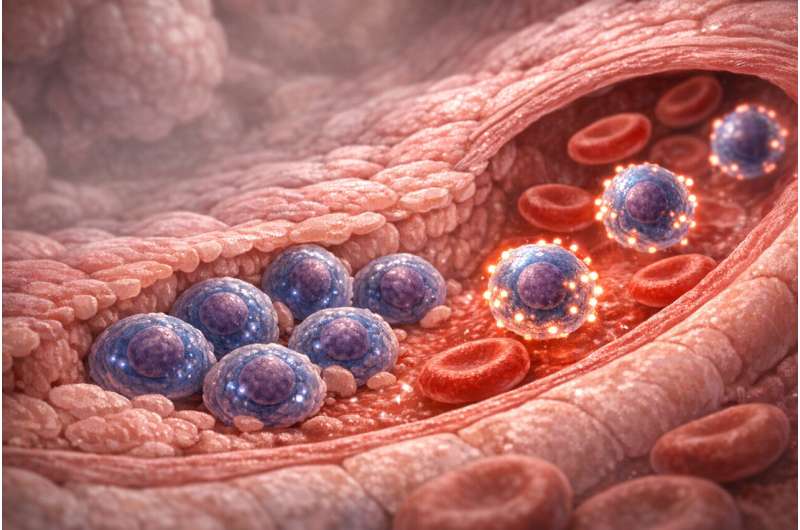
Deep in the lungs, resident memory B cells stand guard against influenza reinfection—but whether they remain there may depend on how strongly they are signaled through their own receptors. New research using an animal model of influenza infection provides fresh insight into how these cells form and persist, findings that could inform the design of vaccines aimed at strengthening immune defenses in the lungs.
In a study conducted at Washington University in St. Louis, Missouri, investigators report in Science Immunology that the magnitude of B cell receptor signaling plays a central role in determining whether B cells establish themselves as long-lived residents in the lungs.
“Lung tissue-resident memory B cells are important in establishing protective immunity against respiratory pathogens,” wrote Dr. Kumari Anupam, lead author of the investigation, which essentially determined how these cells accumulate and produce a shield against future infections.