
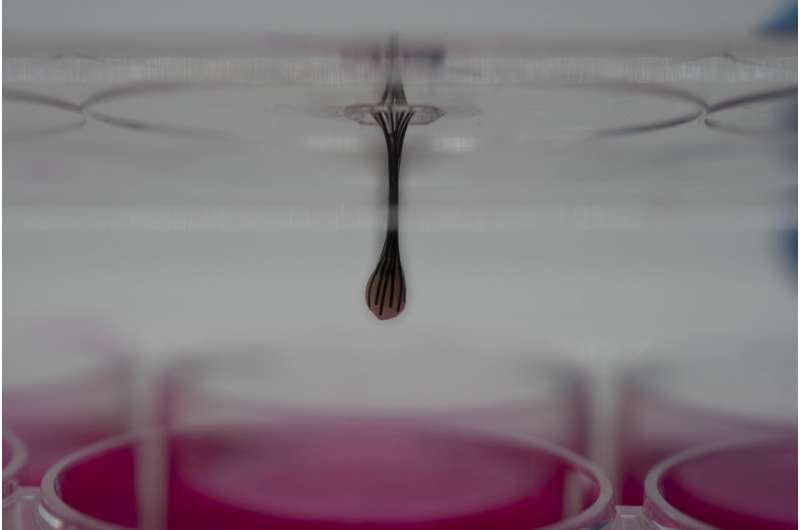
Human cerebral organoids are millimeter-sized tissues comprised of cell types typically found in the different regions of the brain. They are made by culturing stem cells. These organoids are important to many fields of research because they allow researchers to study the behavior of nervous system cells and tissues in ways that are not possible with animal models.
For example, Angelman syndrome is a genetic disorder associated with delayed development, intellectual disability, speech impairment and problems with movement. Because researchers cannot conduct research on a human’s developing brain, human cerebral organoids are a valuable platform for understanding the genetic activity that causes the disorder and developing therapeutic treatments.