
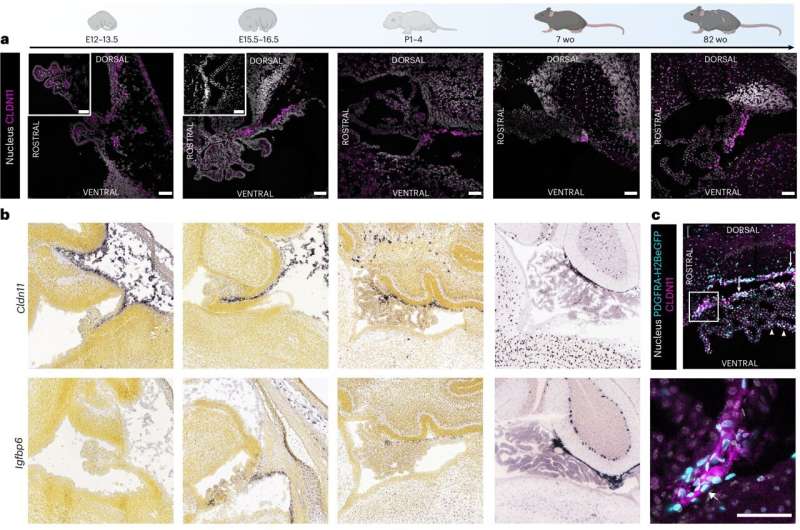
The brain is protected from the rest of the body by multiple barriers that maintain a stable, tightly regulated environment and defend it against harmful substances and pathogens. The most well-known of these barriers is the blood-brain barrier, but another critical interface is the choroid plexus, a small structure found within the brain’s fluid-filled spaces, which produces cerebrospinal fluid.
However, despite its importance, scientists know surprisingly little about the choroid plexus’s detailed cellular structure and how it protects the brain.