
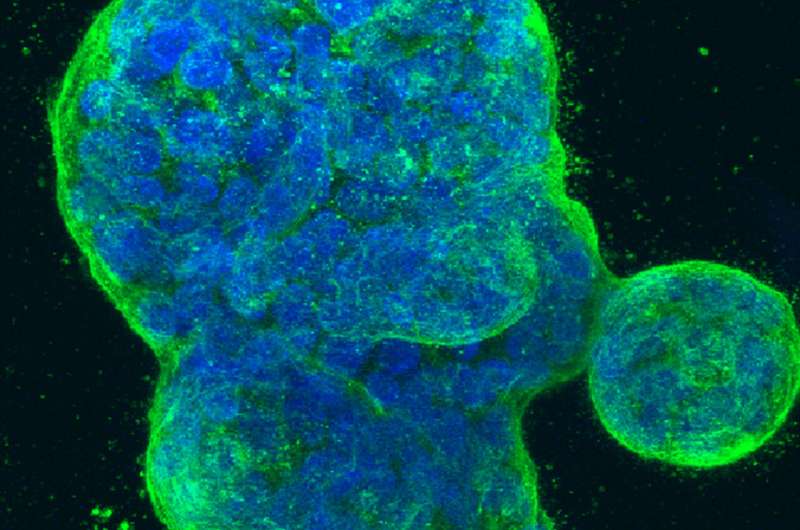
The study, undertaken by Adelaide University and the Olivia Newton-John Cancer Research Institute, has identified a molecular switch that drives the spread of triple-negative breast cancer (TNBC)—the subtype responsible for some of the poorest outcomes because it lacks the hormone receptors that make many other breast cancers treatable with existing therapies that target these receptors.
The research, published in EMBO Molecular Medicine, found that patients with low levels of a naturally occurring molecule known as miR-342 and high activity of a cancer-driving pathway called E2F were more likely to develop metastatic disease.
In preclinical models, the team demonstrated that restoring miR-342 levels markedly reduced the spread of breast cancer to other organs, including the lungs and bones.