
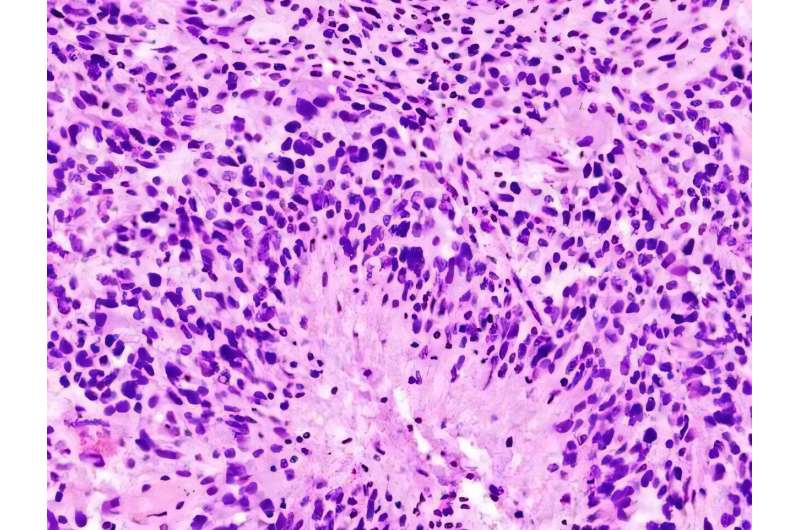
The research shows that certain brain cells—once thought to simply support healthy nerve function—actually help glioblastoma grow and spread. The researchers discovered that these cells send signals that strengthen the tumor, but when they blocked this harmful communication in lab models, the cancer slowed its growth significantly.
Even more promising, the study suggests that an existing HIV medication could be repurposed to target this process and offer a new treatment option for patients who currently have few. The prognosis for glioblastoma is poor, with survival often measured in months.
The research was published in Neuron and led by scientists at McMaster University and The Hospital for Sick Children (SickKids). Co-first authors of the study are Kui Zhai, a research associate in the Singh Lab at McMaster, and Nick Mikolajewicz, a postdoctoral fellow in the Moffat Lab at SickKids at the time of the study.