
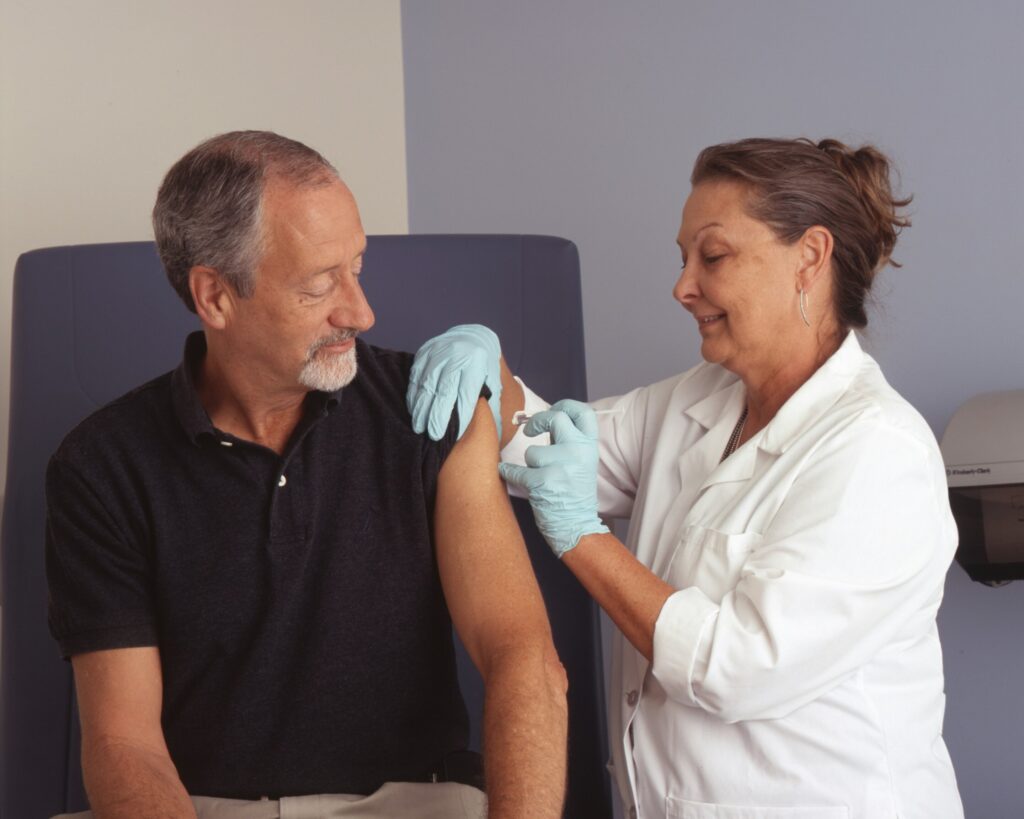
Using data from the nationally representative U.S. Health and Retirement Study, researchers examined how shingles vaccination affected several aspects of biological aging in more than 3,800 study participants who were age 70 and older in 2016. Even when controlling for other sociodemographic and health variables, those who received the shingles vaccine showed slower overall biological aging on average in comparison to unvaccinated individuals.
The study, “Association between shingles vaccination and slower biological aging: Evidence from a U.S. population-based cohort study,” is published in the Journals of Gerontology, Series A: Biological Sciences and Medical Sciences.
Shingles, also called herpes zoster, is a painful, blistering skin rash caused by the reactivation of the chickenpox virus, or varicella zoster. Anyone who has had chickenpox is at risk of shingles; while shingles can occur at younger ages, the risk is higher for those 50 and older and immunocompromised individuals.