
Such models, known as optical phantoms, are designed to help researchers test and improve devices before they are used on patients. Unlike human volunteers, phantoms provide a controlled and repeatable way to evaluate how light-based technologies perform under different conditions. Yet many existing phantoms do not adequately represent the diversity of human skin tones.
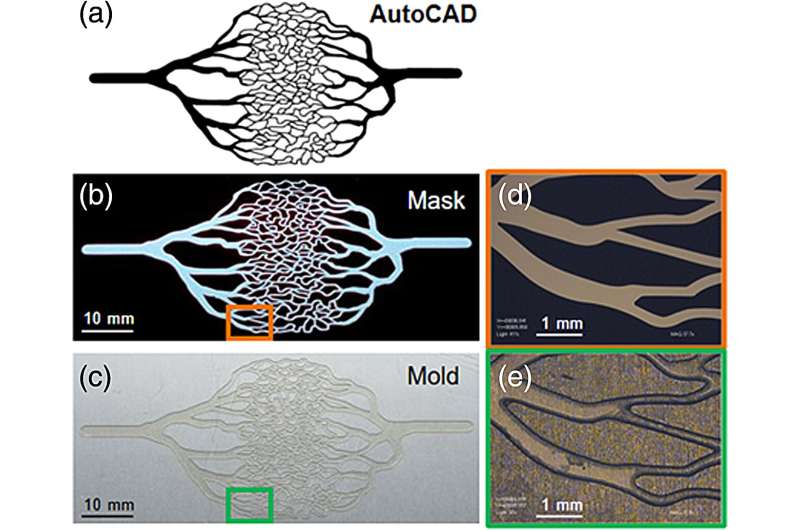
To create more representative models, the researchers built multilayer structures that mimic the outer skin layer, deeper tissue and underlying fat. They also embedded a network of artificial blood vessels and connected it to a miniature pump that circulates a blood-like liquid through the phantom. This allowed the team to simulate blood flow beneath the skin, similar to what occurs in the body.