
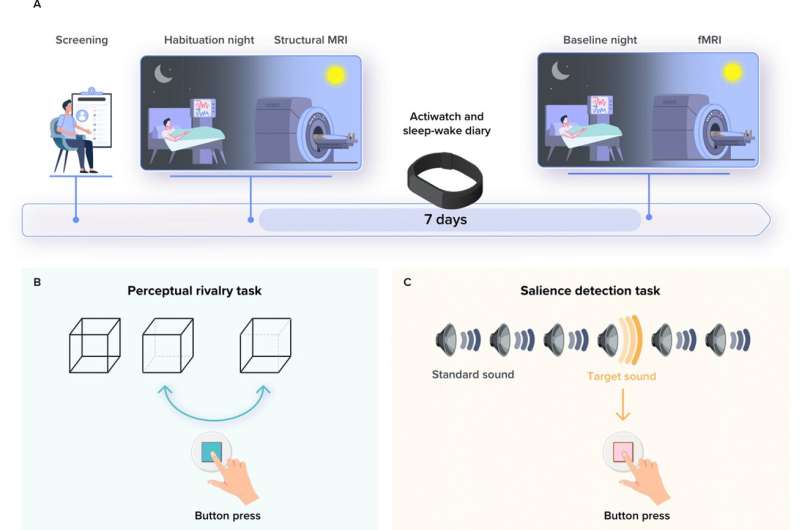
A team of scientists from the University of Liège (GIGA Neurosciences), supported by the Stop Alzheimer’s Foundation, has analyzed the sleep patterns of more than 500 healthy people. Among middle-aged participants, a higher frequency of nocturnal micro-awakenings was found to be associated with a greater genetic risk of developing Alzheimer’s disease, whereas this link was not observed in young adults. This research, published in the journal Sleep, suggests that the study of sleep could, in the long term, contribute to the early identification of vulnerable individuals.
Testing sleep against genetic risk
For several years, scientists around the world have been investigating the link between sleep disorders and neurodegenerative diseases. A recent study conducted by scientists at the University of Liège offers a new perspective by suggesting that this link may establish itself before any clinical symptoms of the disease appear.