
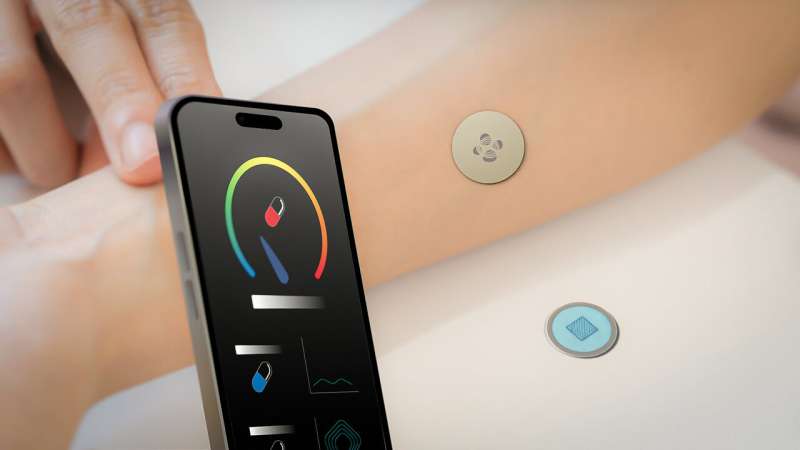
Food allergies—especially to eggs, nuts, milk, and seafood—are a growing public health concern. Conventional allergy tests, such as skin pricks and blood draws, are invasive, time-consuming, and carry the risk of provoking mild reactions. By contrast, the AllergE patch is painless and quick, relying on an array of tiny, porous needles—each less than a millimeter long and about the width of a human hair.
Inside each microneedle sit DNA strands, known as aptamers, that act as molecular sentinels. When these encounter IgE antibodies, they twist into new shapes that generate an electrochemical signal. A flexible electrode and a small reader then translate the signal into measurable data—a setup that the researchers say could eventually sync with a smartphone for remote monitoring at home.