
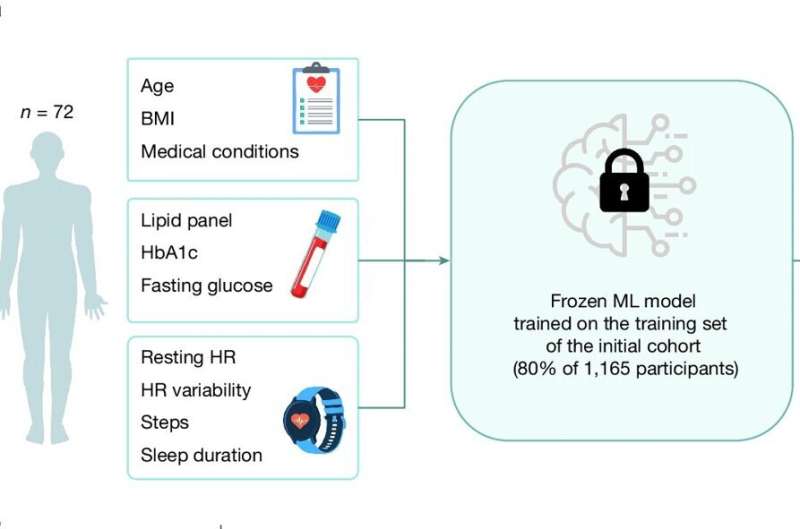
When detected early, insulin resistance is reversible and progression to diabetes is preventable through lifestyle interventions, like weight loss, exercise and a healthy diet. However, most tests for detecting insulin resistance are not implemented routinely, and many people don’t have obvious symptoms to spur doctors to do testing. On top of that, the “gold-standard” test for insulin resistance is expensive, time-consuming, and may not be available in many settings. Tests that are administered aren’t always reliable.
“Instead, a focus on snapshots of glucose levels, fasting glucose, HbA1c or glucose levels after a two-hour oral glucose tolerance test (OGTT) represents the typical screening approach, and can be insensitive to those in the early stages of insulin resistance,” say the authors of the new study.