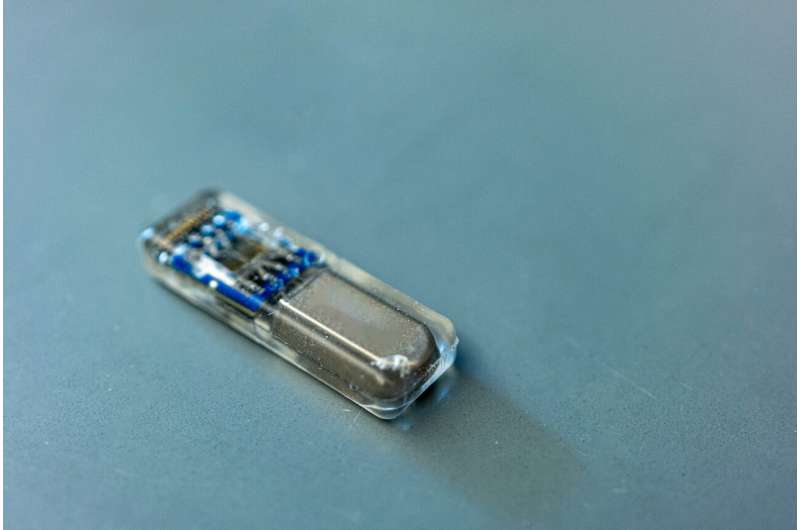
Implanting living cells as long-term drug producers could transform treatment for numerous diseases, but it is difficult to house the tiny workers in quantities high enough to ensure dosage needs are met while also keeping the cells alive and thriving. Researchers at Rice University and collaborators at Carnegie Mellon University and Northwestern University have now successfully integrated solutions to several persistent challenges to implantable drug factories into a single device. According to a new study, the Hybrid Oxygenation Bioelectronics system for Implanted Therapy, or HOBIT, shields a sufficient number of cells from the host immune system in a comfortably small volume while also providing access to oxygen and nutrients.
