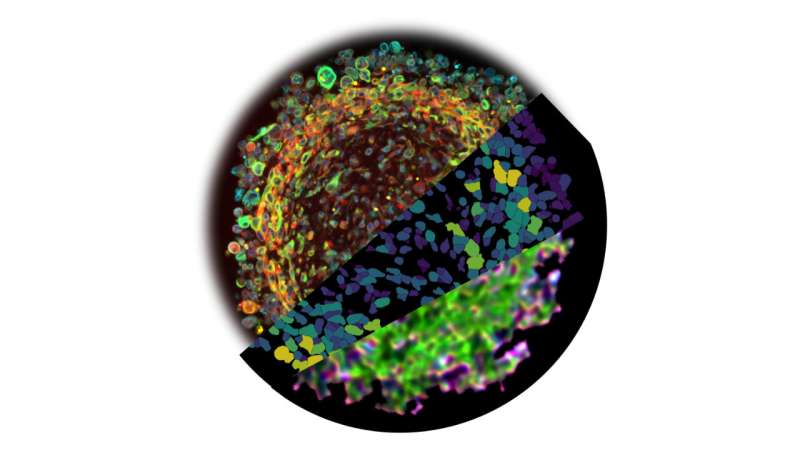
To improve treatments, scientists must better understand the mechanisms involved in this complex disease, but accurately modeling GBM in the laboratory remains a challenge. Even sophisticated models called organoids, designed to mimic the structure and biology of human tumors, fail to fully reproduce key features of advanced GBM. When culturing cells on Earth, gravity causes them to settle, creating conditions that can interfere with the formation of complex 3D structures. That is why a team of researchers at the University of Notre Dame, led by Meenal Datta, took their research to space.