
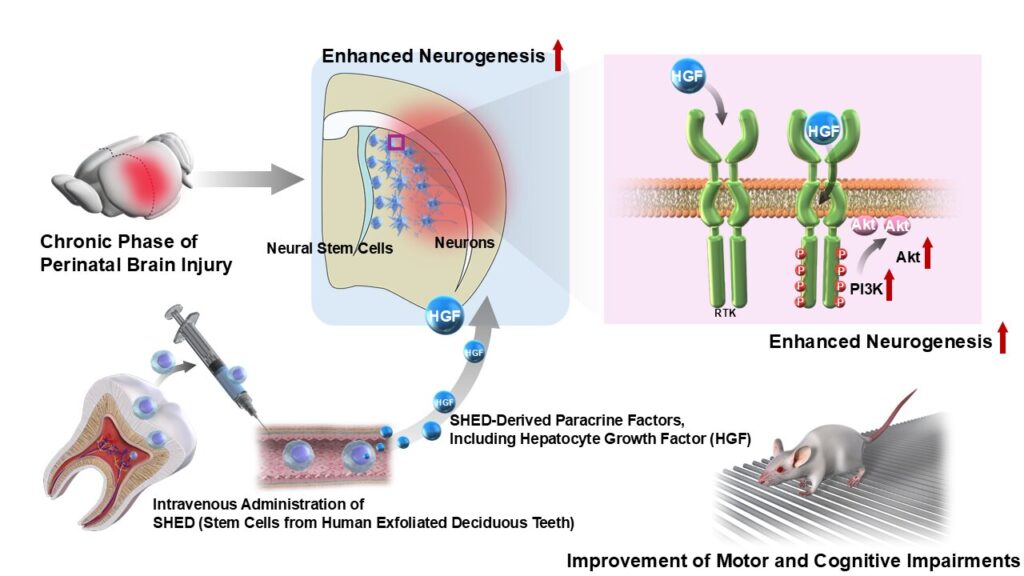
Cerebral palsy is a condition usually caused by brain damage before or during birth, resulting in impaired posture and movement. It affects two to three of every 1,000 live births, and there is currently no cure. The primary cause is hypoxic-ischemic encephalopathy (HIE), which results from reduced oxygen and blood flow to the brain.
Early symptoms are typically subtle, which may delay diagnosis until more obvious signs appear as the child grows. Recent animal studies show that stem cell therapy may help restore neurological function when initiated in the acute or subacute phase, typically within a few weeks after birth. While some clinical research suggests possible benefits even in later stages, confirmatory clinical trials have not yet been published.