
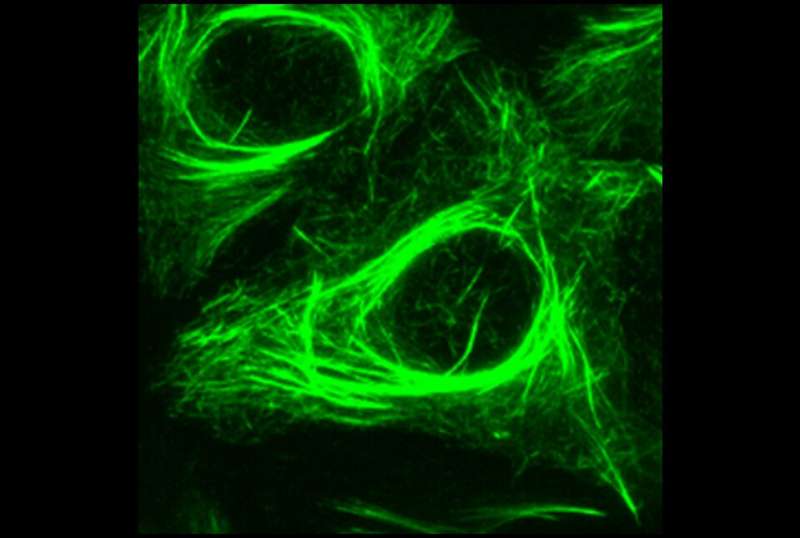
The study, published in Nature Communications, suggests that doctors may be able to measure FOXJ1 gene activity in tumors to predict which patients could develop drug resistance and move directly to alternative therapies, avoiding unnecessary toxicity.
“This is a previously unrecognized role for the FOXJ1 transcription factor, and it could serve as a potential biomarker to help us identify patients who are more likely to benefit from these types of treatments,” said Dr. Paraskevi Giannakakou, professor of pharmacology in medicine and director of laboratory research in the Division of Hematology and Medical Oncology, who co-led this research. “In addition, the research opens the door to developing future therapies that could block this resistance pathway and restore drug effectiveness.”