
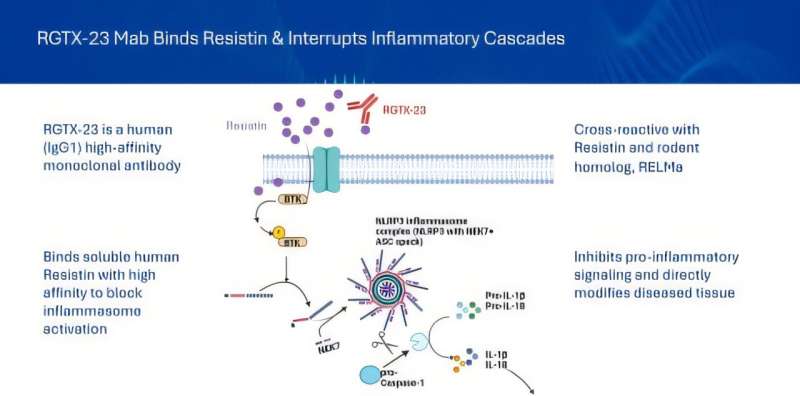
The study, published in PLOS One, identified human resistin as a central driver of immune system activation. Researchers found that this protein plays a key role in turning on a powerful inflammatory pathway known as the NLRP3 inflammasome, which has been linked to numerous health conditions, including cardiovascular disease, diabetes and autoimmune disorders.
“Chronic inflammation plays a role in everything from heart disease to autoimmune disorders, yet the underlying triggers have remained unclear,” said Roger Anthony Johns, MD, professor of anesthesiology and critical care medicine at the Johns Hopkins University School of Medicine. “By identifying a key molecule that drives inflammatory responses, we’re getting closer to understanding how we might interrupt this process, opening the door to developing more targeted therapies in the future.”