
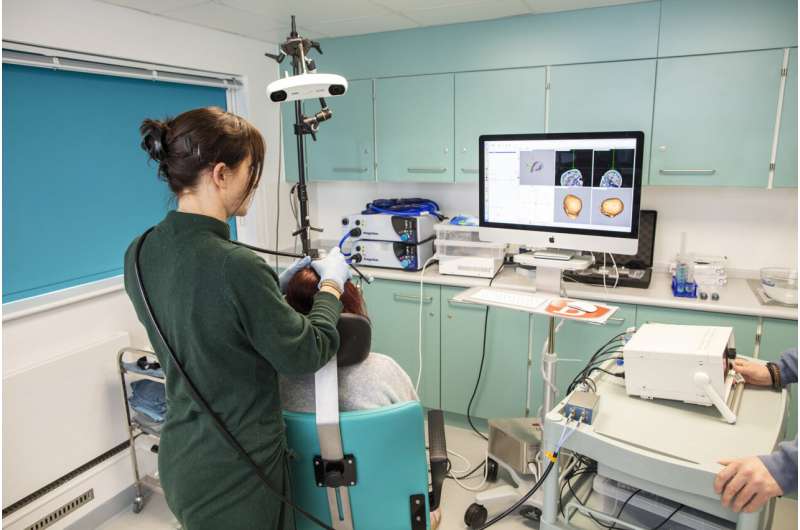
Applying the technique for just over a minute at a time, researchers were able to influence how people learned the links between certain cues and rewards. The result was that they were more likely to repeat a choice that had previously paid off, their learning rates following positive outcomes increased and they were more likely to make positive choices more quickly.
Up to this point, such outcomes had only been achieved through surgical procedures such as deep brain stimulation (DBS), which involves electrodes being directly attached to areas within a person’s brain. However, those involved in the current study say their findings could signal that TUS has the potential to be used as an equally beneficial—and non-invasive—alternative to help those impacted by neurological or psychiatric disorders including addictions, depression and eating disorders.