
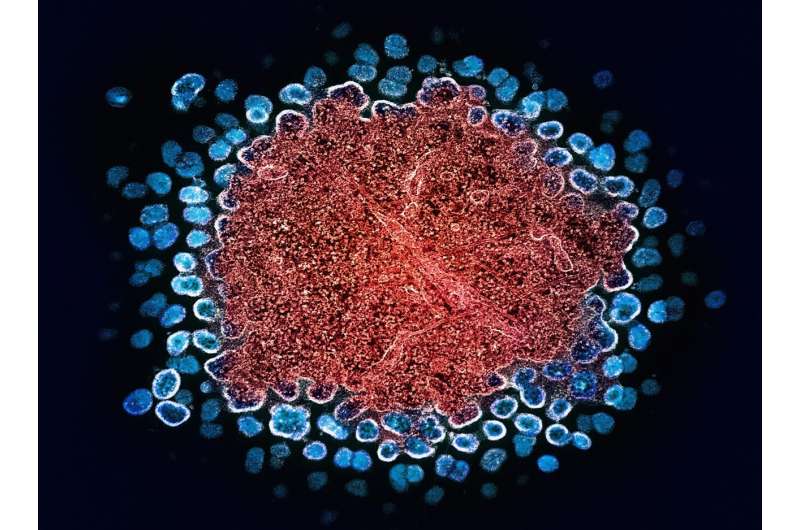
Now, data from the RIO trial reveal how the bNAbs kept the virus in check, with lessons that may inform HIV therapy. In a paper published in Nature Medicine, researchers found that participants who already had their own neutralizing antibodies against HIV were better able to control the virus, suggesting that a patient’s natural immune response can work alongside bNAbs. The bNAbs also appear to have accelerated the decline of the intact viral reservoir, the pool of dormant HIV that can reignite infection when treatment stops.
“The antibodies appear to be teaching the immune system to control HIV,” says Michel C. Nussenzweig, head of the Laboratory of Molecular Immunology. “It’s almost as if the participants’ own immune activity acts as a second component to the antibodies. Together, the bNAbs and the natural immune response seem to work together to corner the virus.”