
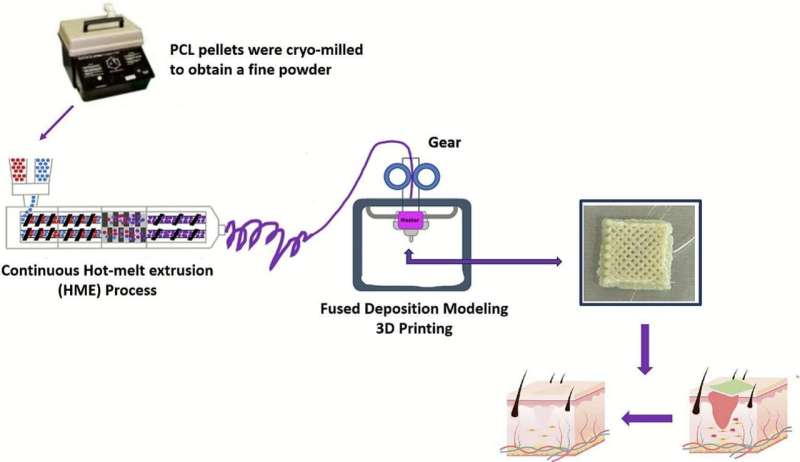
Researchers Michael Repka, distinguished professor of pharmaceutics and drug delivery; Sateesh Vemula, postdoctoral researcher; and doctoral candidate Nouf Alshammari published their results in the European Journal of Pharmaceutics and Biopharmaceutics.
“People with limited mobility or diabetes often have wounds with reduced oxygen supply,” Vemula said. “This can slow the body’s normal repair process and make wounds more likely to become long-lasting, while also increasing the chance that bacteria can grow and lead to infection.” Chronic wounds, including diabetic ulcers and pressure sores, can linger for months or even years.