
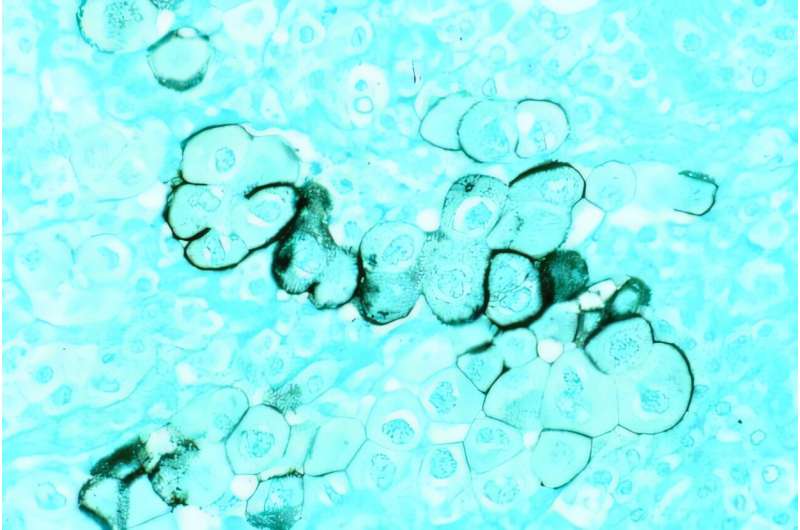
The most common type of pancreatic cancer is adenocarcinoma, which originates in the glandular tissue that produces pancreatic juice. It accounts for 90% of diagnosed cases. Although it is not among the most frequent types of cancer, it is considered an aggressive and highly lethal tumor, with a mortality rate almost equivalent to its incidence rate. Globally, there are approximately 510,000 new cases and nearly the same number of deaths each year.
In Brazil, the National Cancer Institute (INCA) estimates that there are about 11,000 cases and 13,000 deaths every year.
“It’s an aggressive cancer that’s difficult to treat. Around 10% of patients have a chance of long-term survival, such as five years after diagnosis,” says Pedro Luiz Serrano Uson Junior, an oncologist and one of the authors of the study.