
Transfer RNA (tRNA) are molecules that transport specific protein-building blocks called amino acids to help build full proteins. tRNA halves are small fragments formed when tRNAs are cut in half, often in response to cellular stress or sex hormones, like androgens, which drive prostate cancer. A study from 2015 reported that tRNA halves are highly expressed in prostate cancer.
“Because tRNA halves are so abundant in prostate cancer, we thought they may be doing something important,” says biochemistry researcher and senior author of the study, Yohei Kirino, Ph.D.
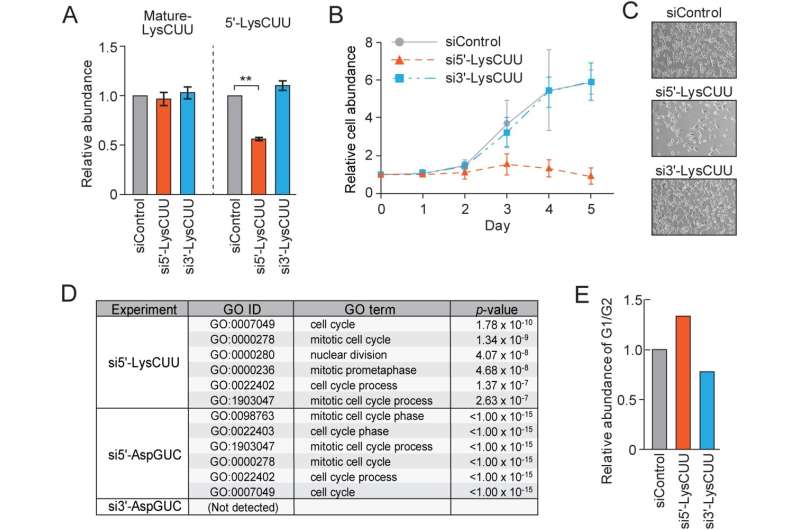
In their study published in the journal PLOS Biology, Dr. Kirino and his team discovered that tRNA halves can help prostate cancer cells grow. The researchers focused on one particular tRNA half that was especially abundant in the prostate cancer cells they analyzed.