
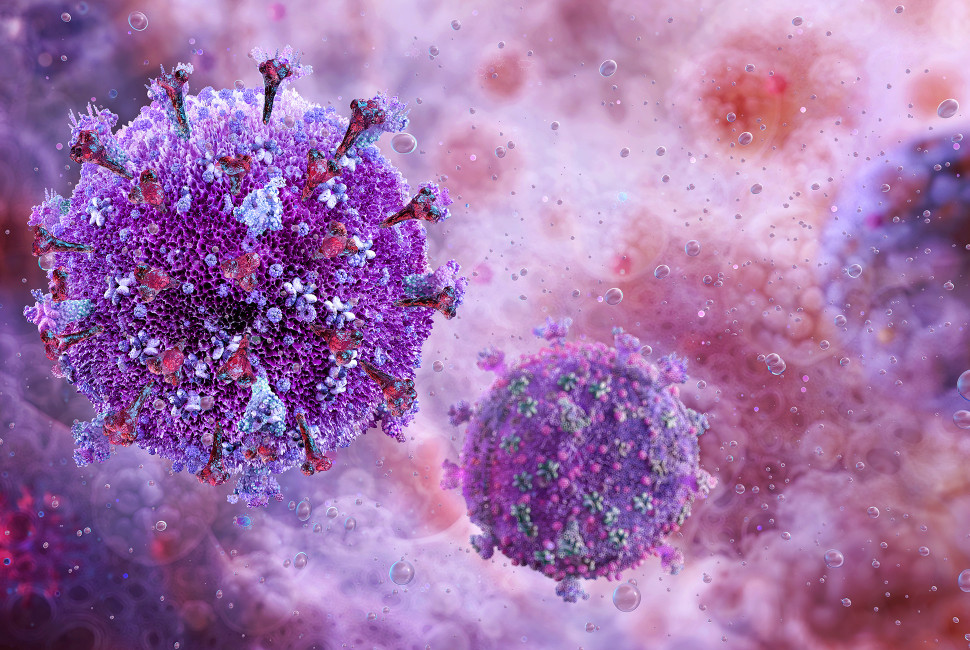
The tissue microenvironments surrounding HIV-infected immune cells look a lot like those surrounding cancerous tumors, reports a new Northwestern University study.
The findings help explain why HIV has been so difficult to cure. Scientists found that viral reservoirs exist within tissue microenvironments that resemble immune-suppressive tumor microenvironments, suggesting that future HIV cure strategies may benefit from approaches traditionally used in cancer therapy. The study was published in the journal Frontiers in Immunology.
By integrating molecular imaging, spatial transcriptomics and machine learning, the scientists created a detailed map of the viral microenvironment in animal models with Simian Immunodeficiency Virus (SIV), which is commonly studied to better understand HIV. In doing so, they identified shared biological programs between viral persistence and tumor immune evasion.