
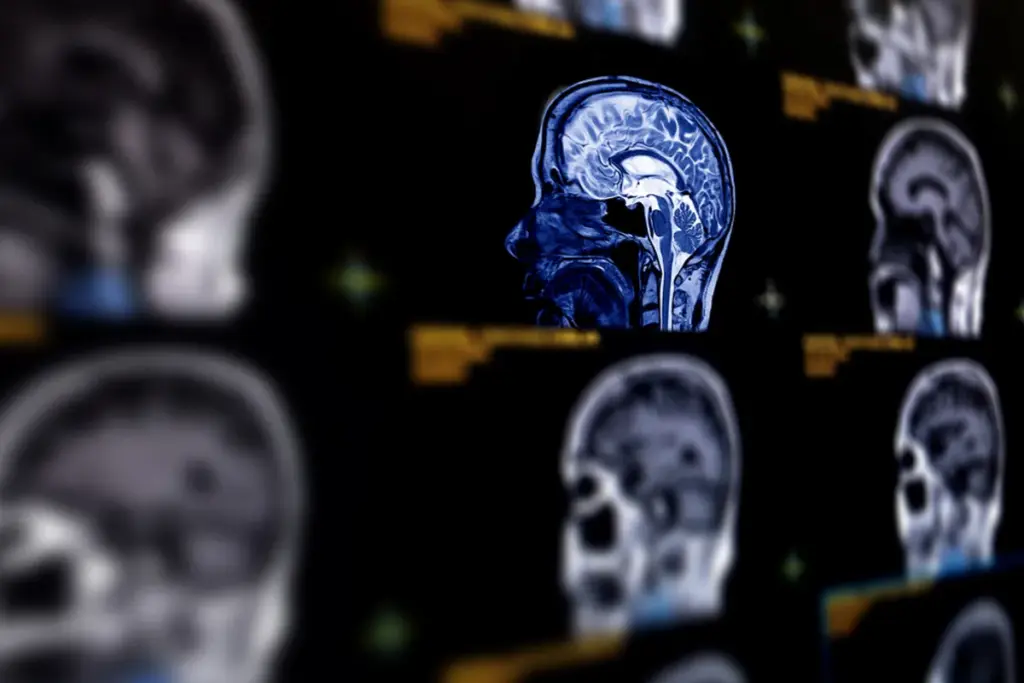
Doctors have noticed for generations that brain tumors do not appear randomly across the brain. Certain cancers cluster in the same regions, from one patient to the next. Although the pattern was obvious, the reason was not.
Now, researchers studying the brains of fruit flies think they may have found part of the answer: The fate of a damaged cell may depend not only on the mutation it carries, but also on the biological surroundings it finds itself in.
The findings, published this month in the Proceedings of the National Academy of Sciences, point to a single protein that can help decide whether abnormal brain cells grow into tumors or remain contained. The work introduces a new way of thinking about brain cancer, one where the biology of the cell’s location matters as much as the genetic damage inside