
“After surgery for HPV-associated head and neck cancer, we currently rely on very general clinical risk factors to determine which patients need more treatment and which patients do not,” said senior author Daniel Faden, MD, Director of the Head and Neck Cancer Genomics and Liquid Biopsy Program at Mass General Brigham Cancer Institute. “That means some patients receive more treatment than they actually need, resulting in more side effects of treatment, while others receive less treatment than they should—and later have their cancer come back.”
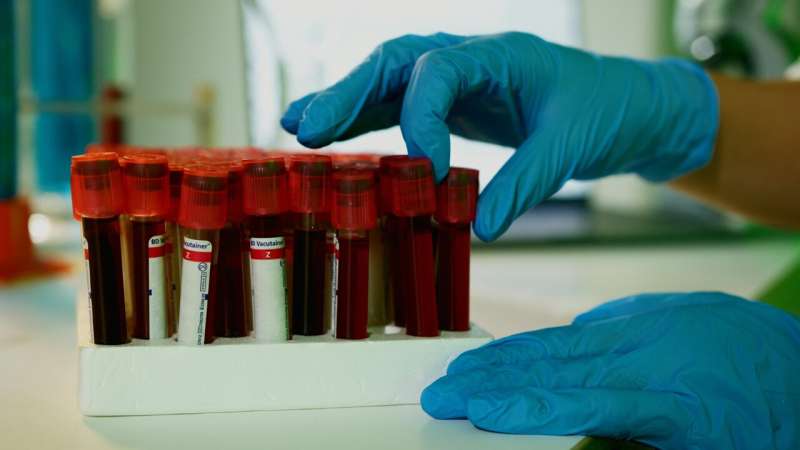
HPV-associated head and neck cancers are caused by human papillomavirus (HPV). The virus inserts its DNA into the person’s cells, which helps drive them to grow into a tumor. As the tumor cells grow and die, they release small fragments of HPV DNA into the bloodstream. HPV-DeepSeek detects those tiny fragments of viral DNA in a person’s blood.