
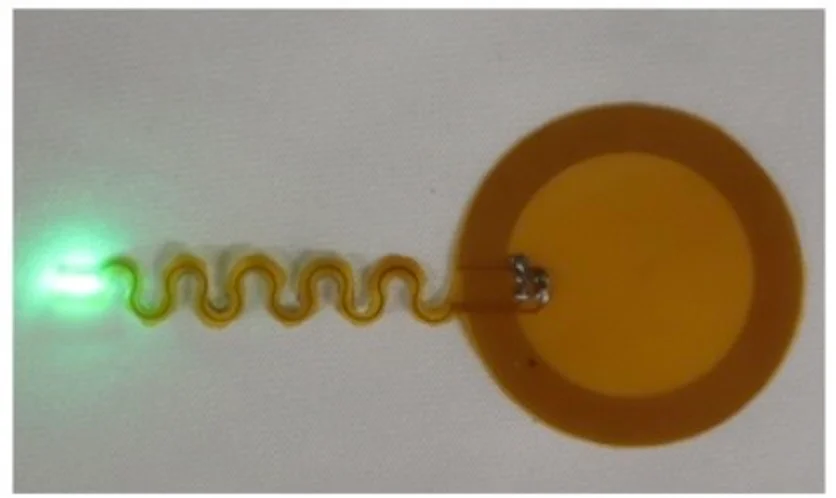
Researchers at the University of Glasgow have developed a new implantable bioelectronic device designed to improve the effectiveness of photodynamic therapy (PDT) for bladder cancer treatment. The innovative platform uses wirelessly powered micro-LEDs to deliver light directly to tumours, potentially enabling more precise, less invasive, and more affordable cancer therapies in the future.
The device, created by engineers and cancer scientists led by Professor David Flynn, represents an important step toward next-generation implantable photonic medical technologies. The research has been published in the journal Opto-Electronic Advances.
Photodynamic therapy is a cancer treatment that uses light-sensitive drugs, known as photosensitizers, to selectively destroy cancer cells. While PDT is already widely used for skin cancer treatment, its application in deeper tissues and internal organs remains challenging because human tissue absorbs light, limiting its ability to effectively reach tumours located inside the body.