
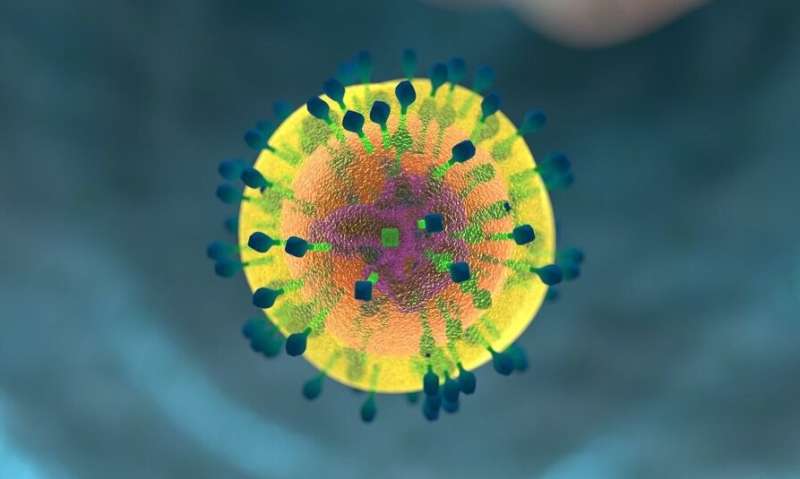
Cancer researchers working on immunotherapies have made a big discovery: SLAMF6, a molecule on the surface of immune cells that prevents T cells from effectively attacking tumors—and, in mice, they’ve found a way to neutralize it.
Led by Université de Montréal medical professor Dr. André Veillette, director of the molecular oncology research unit at the UdeM-affiliated Montreal Clinical Research Institute (IRCM), the breakthrough is detailed in a study published in Nature.
In their lab, Veillette and his team demonstrated that, unlike other inhibitory molecules, SLAMF6 does not need to interact with a tumor to weaken the immune response. It self-activates directly on the surface of T cells, sending a stop signal.