
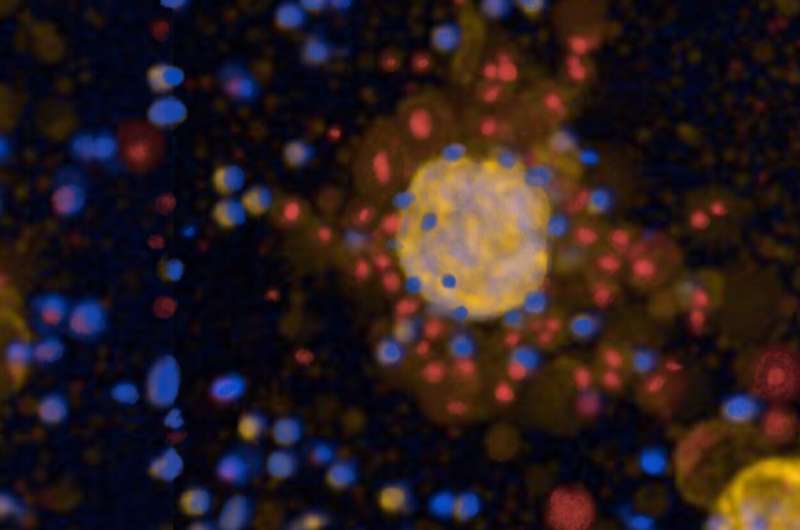
By testing drug responses across these tumoroids, the team showed that therapeutic success depends on a complex interplay of tumor characteristics rather than a single factor. Their results suggest that tumoroid-based testing could help physicians tailor treatments to individual patients and improve clinical decision-making.
The BIH researchers have published their findings in Nature Biomedical Engineering.
Medicine offers many options for treating lung cancer—surgery, radiation, chemotherapy, and immunotherapies such as CAR-T cell therapy—yet treatments still often fall short. Which therapy works best depends not only on the cancer stage and the patient’s overall condition, but also on the tumor’s biological diversity and its strategies for evading treatment. Knowing the specific features of a patient’s tumor is therefore critical to success.