
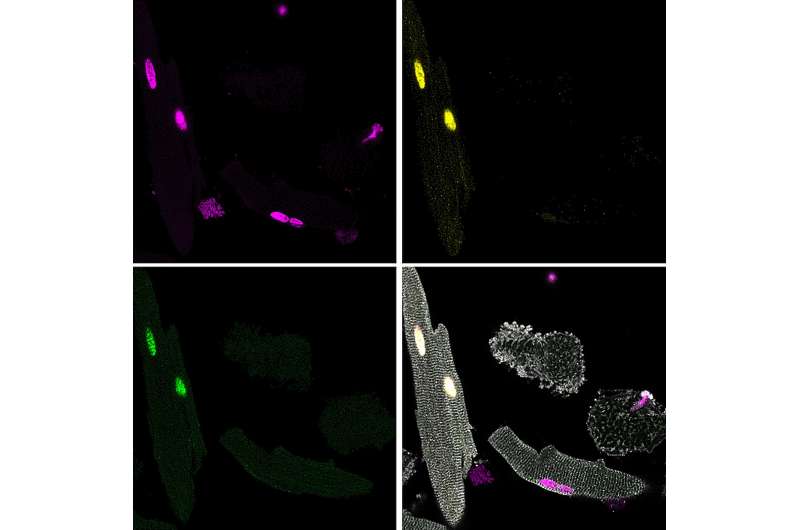
The research reveals a fundamental biological trade-off at the core of heart function. To maintain the continuous contractions required to sustain life, heart muscle cells, known as cardiomyocytes, sacrifice much of their ability to divide and regenerate.
Published in Nature Cardiovascular Research, the study demonstrates that the mechanical activity of cardiomyocytes acts as a barrier to regeneration. The findings identify a previously unknown connection between contraction, energy metabolism and cell division, providing new insight into one of the greatest challenges in cardiovascular medicine.