
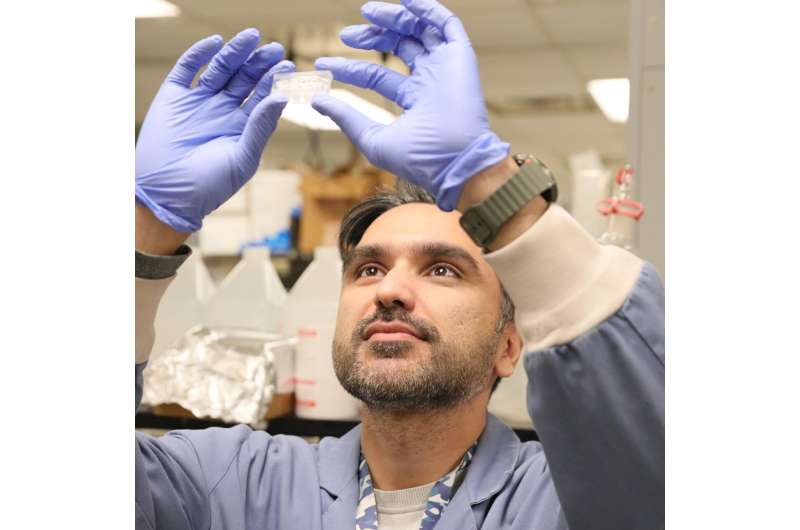
The heart’s unusual resistance to cancer has long puzzled scientists and may contain important clues for preventing metastasis in other organs. The new multi-organ-on-a-chip platform makes it possible to study this phenomenon in a controlled laboratory setting. Using the platform, the team found that aggressive breast cancer cells readily invaded engineered liver tissue but showed significantly reduced invasion into cardiac tissue.
The platform, called the Multi-organ Invasion Device (MInD), connects multiple engineered tissues within a single system under dynamic fluid flow. It allows researchers to observe how cancer cells move between tissue environments and how each organ influences their behavior. The research team published their findings in Nature Communications.