
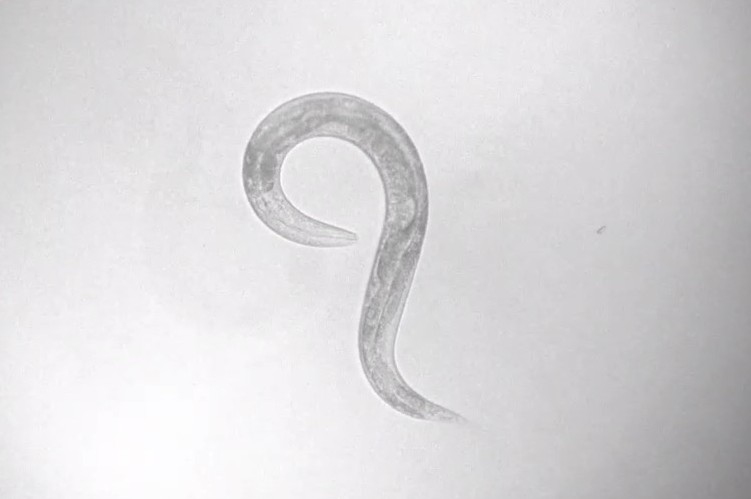
Animal behavior reflects a complex interplay between an animal’s brain and its sensory surroundings. Only rarely have scientists been able to discern how actions emerge from this interaction. A new open-access study in Nature Neuroscience by researchers in The Picower Institute for Learning and Memory at MIT offers one example by revealing how circuits of neurons within C. elegans nematode worms respond to odors and generate movement as they pursue of smells they like and evade ones they don’t.
“Across the animal kingdom, there are just so many remarkable behaviors,” says study senior author Steven Flavell, associate professor in the Picower Institute and MIT’s Department of Brain and Cognitive Sciences and an investigator of the Howard Hughes Medical Institute. “With modern neuroscience tools, we are finally gaining the ability to map their mechanistic underpinnings.”