
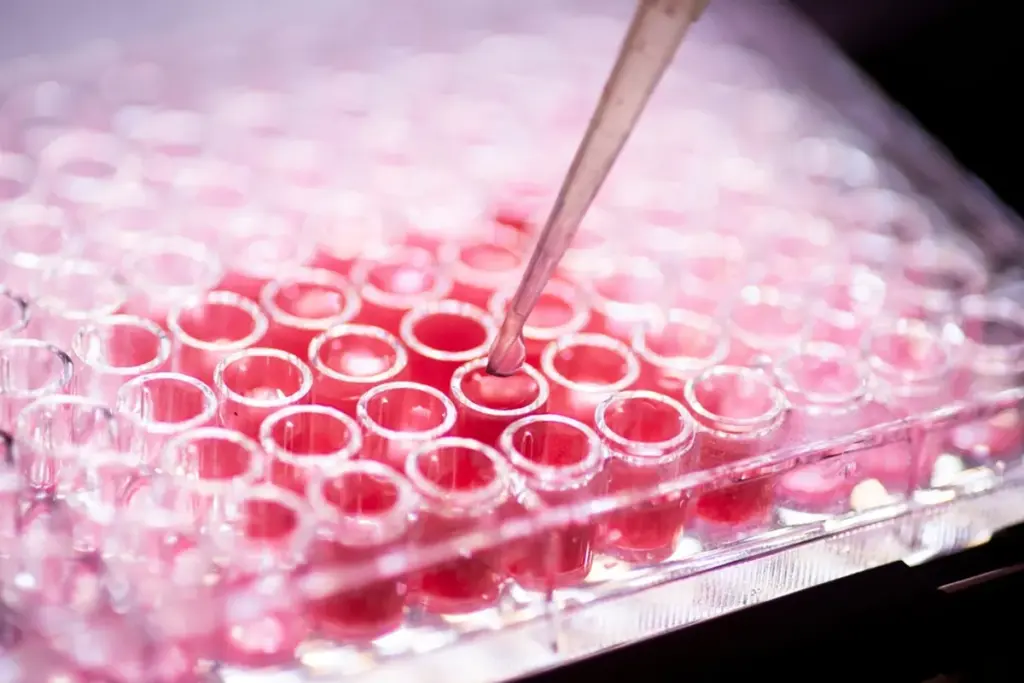
The work brings researchers closer to a long-standing goal in synthetic biology, showing that basic life-like behaviors can be built from chemistry alone.
“This is likely the most exciting project I’ve ever worked on,” said Adamala in a press release. “We’ve replicated in chemistry what only used to be possible in biology: the complete set of behaviors of a cell. It proves that the most fundamental functions of life, like growth and replication, do not need a mysterious magical spark.”
The human genome has about 3 billion base pairs. Biologists had previously estimated that a minimal genome for a living cell could have around 113,000 base pairs. SpudCell’s genome is smaller, at 90,000 base pairs.