
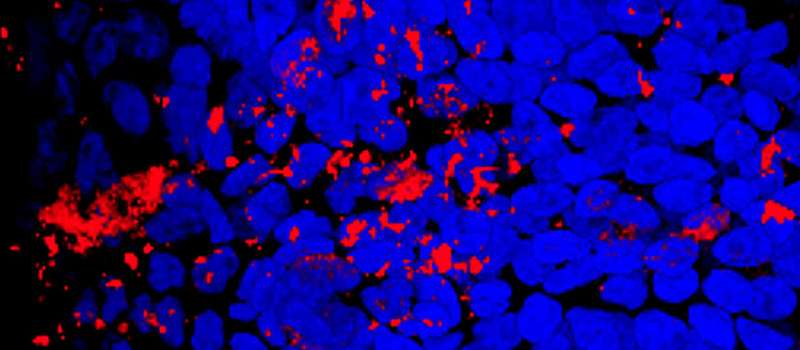
The team has not only shed light on this molecular mechanism using 3D models of cells derived from human lungs but has also succeeded in correcting the defect using molecules already undergoing clinical trials in dermatology and oncology. Preventing pathogenic bacteria from attaching to the airways of people with cystic fibrosis could therefore help limit serious complications.
These findings are published in the journal Communications Biology.
Despite significant therapeutic advances, chronic pulmonary infections persist in many patients with cystic fibrosis. Eradicating respiratory pathogens therefore remains a major challenge.