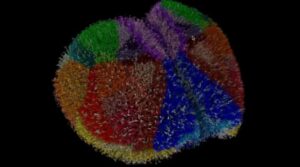
Supercomputer simulation is changing how we study the brain
Harnessing the muscle of one of the world’s fastest supercomputers, researchers have built one of the largest and most detailed biophysically realistic brain simulations of an animal ever.

Harnessing the muscle of one of the world’s fastest supercomputers, researchers have built one of the largest and most detailed biophysically realistic brain simulations of an animal ever.
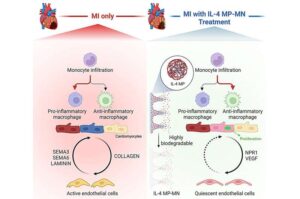
A new patch developed by Texas A&M University researcher Dr. Ke Huang may offer a way to help the heart heal after a heart attack. The patch uses a unique microneedle system to deliver a therapeutic molecule directly to damaged heart tissue, promoting repair and improving heart function without affecting the rest of the body.
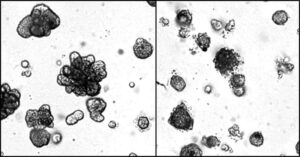
Researchers at the University of California San Diego School of Medicine have identified a promising new therapy for triple-negative breast cancer (TNBC), which is among the most aggressive and difficult-to-treat forms of the disease.
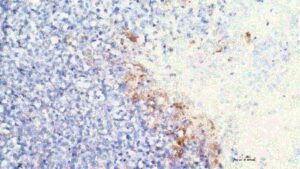
In a major step forward for cancer care, researchers at ChristianaCare’s Gene Editing Institute have shown that disabling the NRF2 gene with CRISPR technology can reverse chemotherapy resistance in lung cancer. The approach restores drug sensitivity and slows tumor growth. The findings are published in the journal Molecular Therapy Oncology.

University of Kentucky researchers have developed a new experimental model that could point the way toward more effective Alzheimer’s disease treatments by targeting one of the brain’s most important genes for risk and resilience.