Blog

- August 5, 2026

Genesis MedTech Receives CE Mark Approval for 8 mm Video Endoscope

SINGAPORE, Aug. 6, 2026 /PRNewswire/ — Genesis MedTech has received CE Mark approval for its latest 8 mm video endoscope, marking an important milestone in minimally invasive imaging. Achieving 3D imaging, 4K resolution and fluorescence capability in an 8 mm endoscope has been one of the key engineering challenges in advanced surgical visualisation.
Read More »

Sight Sciences wins FDA clearance for Omni Surgical System 

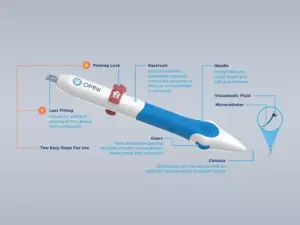
Sight Sciences, Inc. (Nasdaq: SGHT), an eyecare technology company, today announced U.S. Food and Drug Administration (FDA) 510(k) clearance of the Omni Ultra Surgical System (Omni Ultra) for canaloplasty followed by trabeculotomy for the reduction of intraocular pressure (IOP) in adult patients with primary open-angle glaucoma (POAG).

Read More »

First-in-class small molecule inhibitor shows promise against pancreatic cancer in preclinical studies

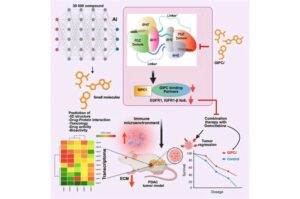
Mayo Clinic researchers have developed an experimental drug with the help of artificial intelligence (AI) to target the “undruggable” PDZ domain of the GIPC1 protein, which helps different types of cancer, including pancreatic cancer, grow and resist treatment. In laboratory studies, the drug slowed tumor growth, improved survival and enhanced the effects of the chemotherapy drug gemcitabine.

Read More »

A lesser-known SARS-CoV-2 protein may offer clues to long COVID symptoms

Six years after the height of the COVID-19 pandemic, scientists are still uncovering surprising ways the virus can wreak havoc on the body. A new UCLA study published in Science Advances describes a previously unrecognized way the SARS-CoV-2 nucleocapsid protein—a structural protein less familiar than the spike protein that has dominated public attention and much vaccine research—can push the immune system into dangerous overdrive.

Read More »

Engineered human neurons rebuild damaged spinal cord circuits

Spinal cord injuries affect an estimated 15 to 20 million people worldwide, often causing lasting impairments in movement, sensation and independence. Such injuries can be especially devastating when they occur at the level of the neck, where damaged spinal circuits disrupt signals that control the diaphragm, the main muscle used for breathing.

Read More »