
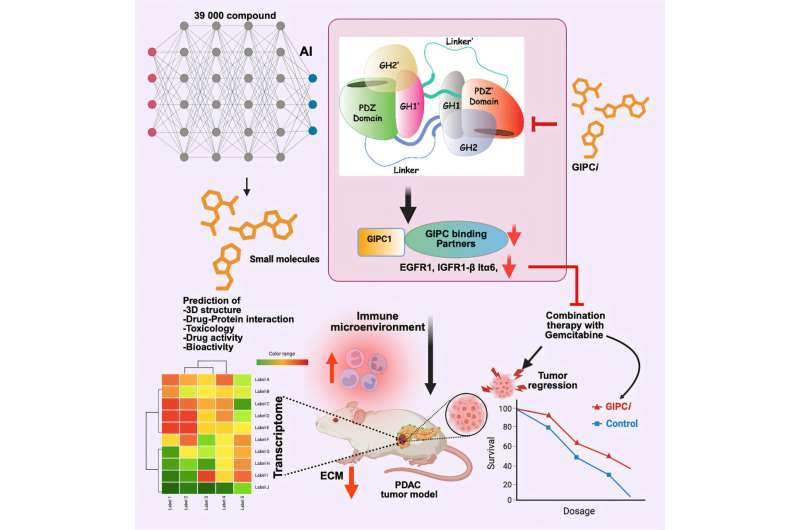
The findings, published in Cell Reports, also demonstrate how AI could help develop a small-molecule inhibitor for a target protein, potentially reducing toxicity and speeding the discovery of new cancer treatments.
A difficult cancer target
Pancreatic cancer is one of the most difficult cancers to treat because it is often diagnosed after it has spread and is resistant to many current therapies. While survival rates remain low, advances in research are creating new opportunities to develop more effective treatments. This study represents one of those promising advances, offering a potential new strategy for targeting pancreatic cancer.