
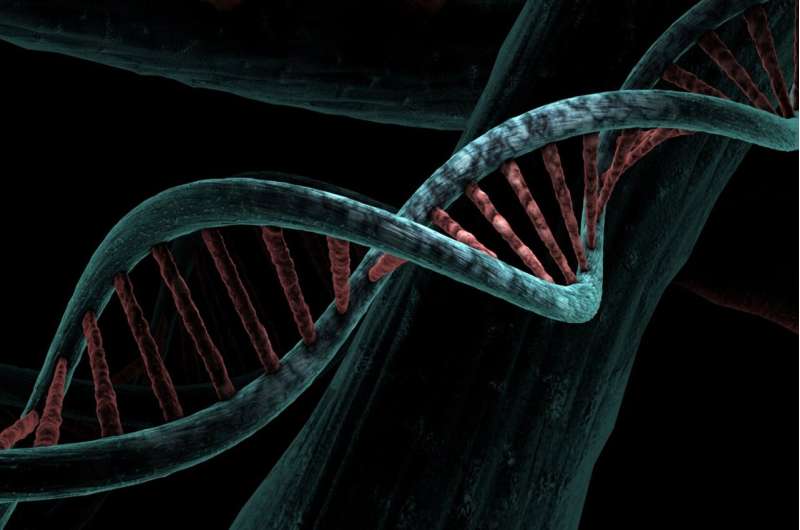
Published online in Nature Cell Biology, the study reveals how DNA replication failures at critical sites in chromosomes, the protein superstructures that house and provide access to DNA, determine how vulnerable cancer cells are to PARP inhibitors.
The research team pinpointed replication problems at critical chromosome regions and identified the protective response that keeps DNA replication failures in check. Blocking that protective response let localized damage caused by cancer treatments build up, compromising the cancer cells’ survival.