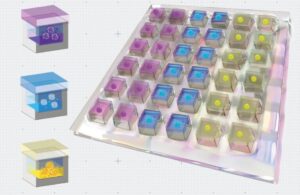
MIT engineers develop drug delivery patch for post-heart attack healing
Engineers at MIT say they developed a flexible drug delivery patch for promoting healing and tissue regeneration after heart attacks.

Engineers at MIT say they developed a flexible drug delivery patch for promoting healing and tissue regeneration after heart attacks.
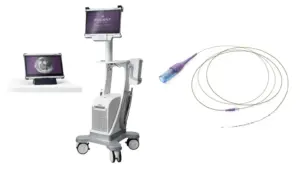
Evident Vascular has announced U.S. Food and Drug Administration 510(k) clearance for the Evident Vascular Guidance System and Evident peripheral imaging catheters. The Guidance System is intended for ultrasound examination of intravascular pathology during peripheral vascular interventions.

BELFAST, Northern Ireland, Nov. 5, 2026 /PRNewswire/ –PulseAI, a medical technology company developing artificial intelligence for cardiac diagnostics, today announced U.S. Food and Drug Administration (FDA) 510(k) clearance for its AI-powered arrhythmia analysis model for wearables.
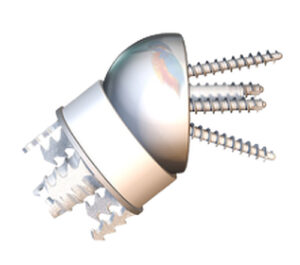
ADDISON, Texas, Nov. 5, 2026 /PRNewswire/ — FX Shoulder Solutions, Inc. (FX), a global innovator dedicated exclusively to shoulder arthroplasty, announces a historic and revolutionary breakthrough in shoulder replacement technology with the FDA 510(k) clearance of Easytech Reversed® — the first-and-only FDA-cleared stemless reverse shoulder arthroplasty system in the United States and a game-changer in how surgeons can care for their patients.
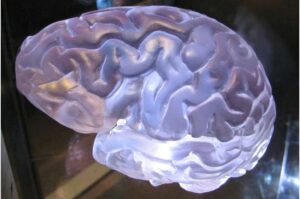
A KAIST-led research team has found that a protein involved in gene regulation can suppress the harmful aggregation of amyloid-beta, a peptide associated with Alzheimer’s disease. The approach also reduced the toxicity of protein aggregates that had already formed.

A small subset of vulnerable DNA sites can make cancer cells highly sensitive to targeted drugs called PARP inhibitors, a new study shows.
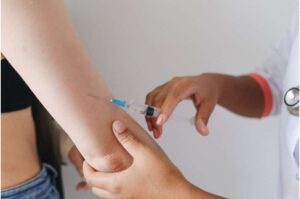
A personalized cancer vaccine could help prevent melanoma from returning after surgery. Sutter investigators Dr. Kevin Kim, oncologist and chief of precision medicine at Sutter Health, and Dr. Mohammed Kashani-Sabet, medical director of Sutter CPMC’s Cancer Center, led Sutter’s participation in the phase 2 KEYNOTE-942 study that helped make possible this advance.
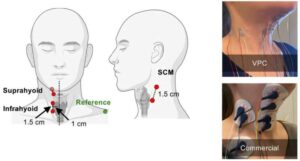
A team of McGill University researchers has developed a putty-like electrode that molds to the skin to improve treatment and monitoring of voice disorders and upper airway diseases.
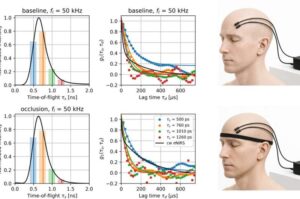
How can we efficiently collect light returning from tissues while also identifying what it tells us about blood flow in the deeper tissues?