
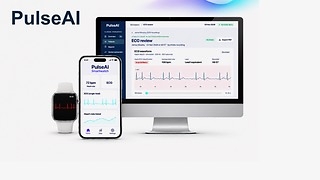
Adoption of wearables, including smartwatches, has grown rapidly with most models providing some form of heart rhythm monitoring. According to IDC, 164 million smartwatches were sold worldwide in 2025, extending heart rhythm recording well beyond hospitals and clinics. Today the challenge for healthcare providers is to make use of these recordings without a corresponding increase in the clinical labour required to interpret them.
A significant increased burden arises from inconclusive results. Inconclusive ECG interpretations can require manual review, repeat recordings and patient follow-up. Reducing these unresolved results has the potential to lower the staff time needed to assess patient-generated ECGs, helping clinical services accommodate more recordings with existing resources.