
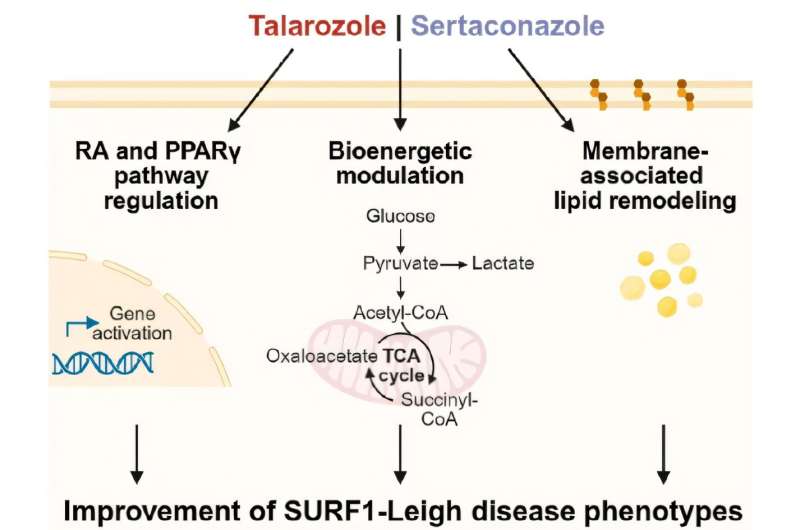
The need for medical treatments for rare diseases such as Leigh syndrome is high. However, low patient numbers make research into treatments difficult.
With one case in 36,000 live births, Leigh syndrome is classified as a “rare disease.” According to the European definition, a rare disease affects fewer than 5 in 10,000 people. The progressive brain disease is a so-called mitochondrial disease, i.e., a disease that affects the energy metabolism. It usually manifests in childhood and causes brain damage and necrosis, which can lead to severe symptoms such as neurodevelopmental delay, epileptic seizures, muscular weakness and respiratory failure. Those affected have an extremely limited life expectancy and most die within a few years of diagnosis. No therapy has yet been approved.