i-Lumen Scientific Receives FDA Approval of IDE to Initiate U.S. Enrollment in i-SIGHT2 Clinical Study for dry AMD
IDE approval by the FDA expands global trial to the United States as first study participant is treated in the United Kingdom

IDE approval by the FDA expands global trial to the United States as first study participant is treated in the United Kingdom

Garmin users can now integrate with the temperature-powered Natural Cycles app, which turns Garmin skin temperature data into fertility insights for women’s health
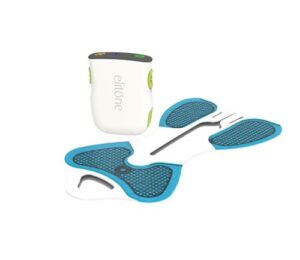
NEWTOWN, Conn., March 31, 2026 /PRNewswire/ — Elidah today announced FDA clearance of Elitone for Men, a non-invasive, at-home treatment designed to help men regain bladder control after prostate surgery, addressing a significant and often overlooked men’s health condition. Urinary incontinence, or bladder leakage, is one of the most common and disruptive complications following prostate procedures, yet men have had few options to actively support recovery at home.

DURHAM, N.C., March 31, 2026 /PRNewswire/ — Baebies announced FDA 510(k) clearance and CLIA-waiver approval for the FINDER® Flu A&B/SARS-CoV-2 Test, an ultra-rapid RT-PCR assay on the FINDER platform. This establishes FINDER as the first molecular point-of-care platform with multifunctional capabilities. The compact, automated system delivers PCR-quality results during the patient visit, with positives as early as 15 minutes and negatives in about 20 minutes, giving urgent care centers, emergency departments, clinics, and other decentralized settings the speed, ease of use, and reliability needed for better diagnostic decisions.

AUSTIN, Texas, March 31, 2026 /PRNewswire/ — Genesys Spine today announced the successful completion of the first surgical procedure utilizing the SIros-X System, a next-generation solution designed to deliver precision, adaptability, and control for complex sacroiliac joint fusion and pelvic fixation. The inaugural case was performed by Scott L. Parker, M.D., at Ascension Saint Thomas Hospital Midtown, Nashville, TN, marking an important milestone as the system begins clinical use.
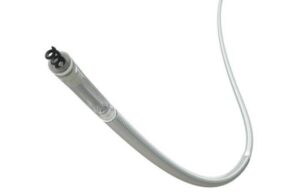
Medtronic (NYSE:MDT) today announced CE mark approval and the first commercial European implants for its OmniaSecure system.

As spring approaches, a new type of cicada is emerging — not an insect, but a new variant of COVID-19.

An acute pulmonary embolism occurs when a blood clot blocks one or more vessels in the lung. In patients at moderate or high risk, the blockage can impair the heart’s ability to pump blood through the lungs to such an extent that it becomes life-threatening. About 15% of those affected die as a result of acute pulmonary embolism. Blood-clot-dissolving medications, known as thrombolytics, can effectively dissolve vascular blockages. However, they increase the risk of severe bleeding, particularly in the brain. For this reason, they are generally used only in the most severe cases.

Scientists led by Botond Roska at the Institute of Molecular and Clinical Ophthalmology Basel (IOB) and collaborators have identified genetic pathways and compounds capable of protecting cone photoreceptors from the degeneration that underlies conditions like age-related macular degeneration.

Over one billion people worldwide are over 60, and the population is projected to more than double by 2050. But as more people live into their 60s, 70s, and 80s, health care systems across the globe may face new challenges as they attempt to manage associated increases in age-related disease.