
FDA grants 510(k) clearance to Medibyt’s CPETWise solution
CPETWise automates and standardises CPET workflow, transforming complex physiological data into streamlined processes.

CPETWise automates and standardises CPET workflow, transforming complex physiological data into streamlined processes.
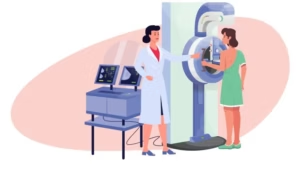
The autonomous triage system’s European market authorisation comes as AI becomes increasingly embedded into the cancer screening paradigm.
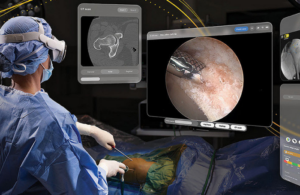
Stryker (NYSE: SYK) has announced the first clinical use of SportsSuite Vision using the mixed-reality Apple Vision Pro.
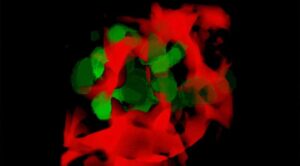
A new biomaterial developed by researchers from The University of Western Australia is providing fresh insights into the way cancer cells escape from tumors and spread through the body.
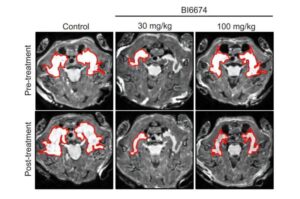
A scientist at Cincinnati Children’s who has hunted for decades for ways to shrink the painful and disfiguring nerve tumors caused by neurofibromatosis type 1 (NF1) has made a new breakthrough in the quest.
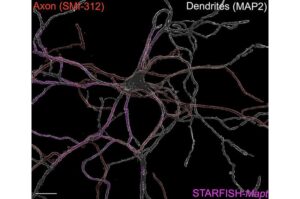
Where and how does an Alzheimer’s tangle begin? A new study by neuroscientists at Columbia University challenges a long-held assumption about the source of toxic tau proteins, which form neurofibrillary tangles and are closely linked to memory decline in Alzheimer’s disease.
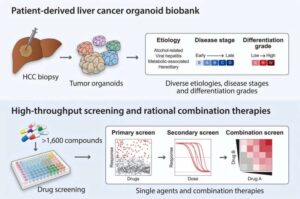
Liver cancer is difficult to treat because tumors vary greatly from patient to patient. Researchers at the University of Basel have captured this diversity by creating a collection of mini-tumors, which they use to systematically search for new treatment options. They tested more than 1,600 compounds using these organoids and used the results to develop promising drug combinations.
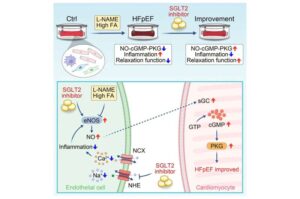
Lab-grown tissues engineered from stem cells reprogrammed from human cells, called human induced pluripotent stem cells (hiPSCs), are rapidly emerging as a more reliable and accessible model in medical research.

Now, scientists at Scripps Research have built a new AI model to improve detection and prediction of various heart diseases, which may be particularly useful in settings with limited labeled data or fewer available ECG leads
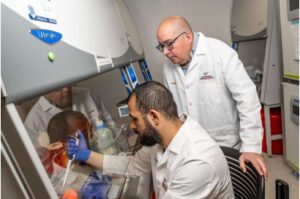
Researchers blocked a naturally occurring molecule to reverse pulmonary arterial hypertension in preclinical models, a finding that could point to a new treatment approach for people with a rare and often fatal lung disease.