
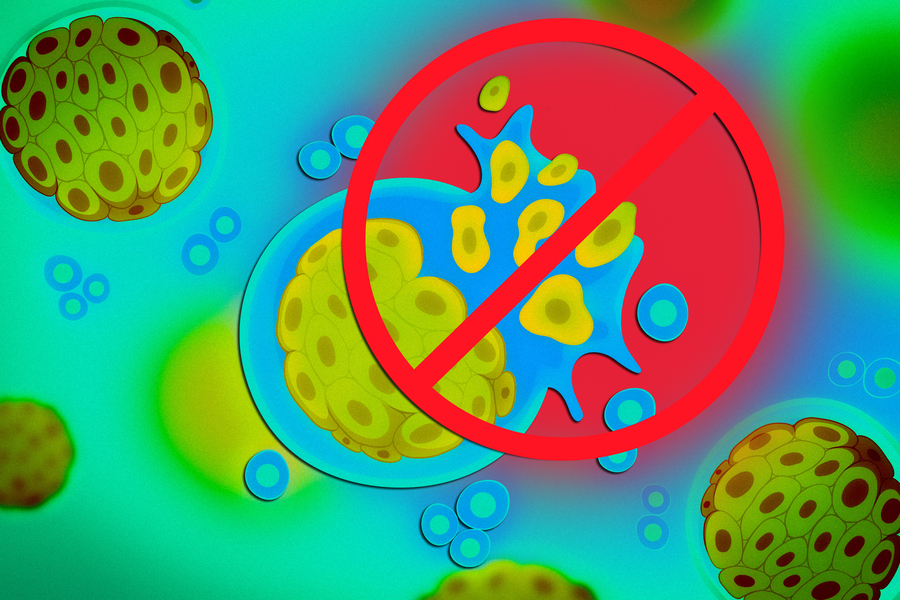
Most colon cancer deaths are caused by the spread of tumor cells beyond the colon, usually to the liver. In a new study, MIT biologists identified a cellular pathway necessary for colorectal cancer metastasis.
The pathway they identified, controlled by a protein known as YAP1, is normally involved in tissue repair. When activated in cancer cells, it promotes cell proliferation and migration. The researchers also found that a high-fat diet is more likely to turn on this pathway, through the production of fatty molecules called ceramides.