
The study, which was published recently in Nature Communications, focused on a mitochondrial disorder called Friedreich’s ataxia.
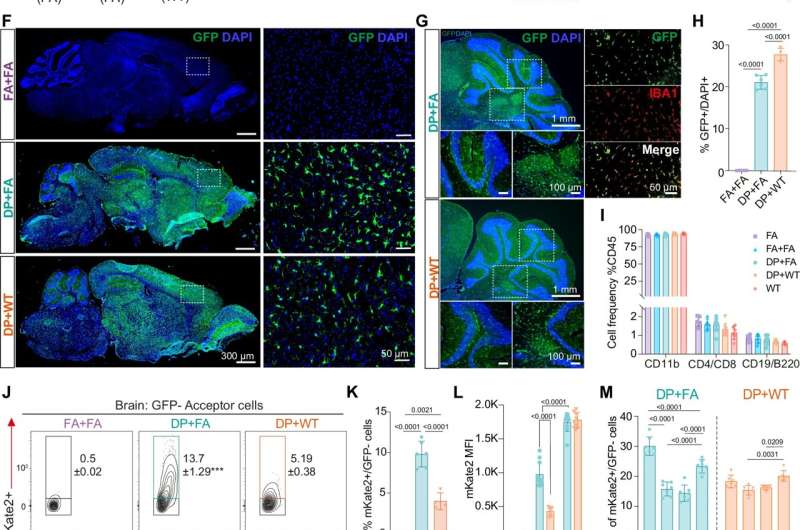
In mice with the condition, providing a bone marrow transplant had a surprising benefit: After the transplant, healthy immune cells took up residence in tissues around the body, then handed off their mitochondria to neighboring cells whose mitochondria were failing, partially alleviating disease symptoms.
“It’s a way to use the blood system to treat non-blood organs,” said senior study author Natalia Gomez-Ospina, MD, Ph.D., assistant professor of pediatrics. Although it’s been known for more than a decade that cells can give mitochondria to their neighbors, the reasons they do so are unclear, Gomez-Ospina said.