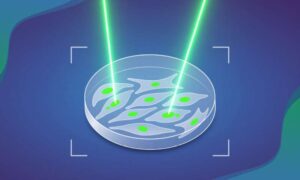
MAGIC: AI-assisted ‘laser tag’ illuminates cancer origins
Chromosomal abnormalities—numerical and structural defects in chromosomes—are a common first step in this process, often contributing to normal cells turning cancerous.

Chromosomal abnormalities—numerical and structural defects in chromosomes—are a common first step in this process, often contributing to normal cells turning cancerous.
In a new study, University of Arizona researchers created a model for cutaneous squamous cell carcinoma, a type of skin cancer, and identified two mutated tumor proteins, or neoantigens, that contain features of good candidates for a vaccine.
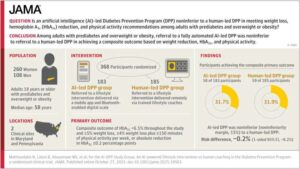
Researchers from Johns Hopkins Medicine and the Johns Hopkins Bloomberg School of Public Health report that an AI-powered lifestyle intervention app for prediabetes reduced the risk of diabetes similarly to traditional, human-led programs in adults.

The tool integrates with the current laboratory infrastructure, captures images of embryos and creates an AI score.

Randomized, controlled clinical trials are crucial for telling whether a new treatment is safe and effective. But often scientists don’t fully report the details of their trials in a way that allows other researchers to gauge how well they designed and conducted those studies.
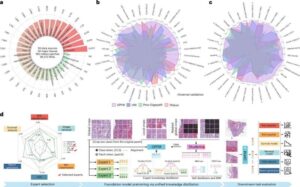
The Hong Kong University of Science and Technology (HKUST) today launched SmartPath, a comprehensive artificial intelligence (AI) system designed to transform the entire pathology workflow for cancer care.
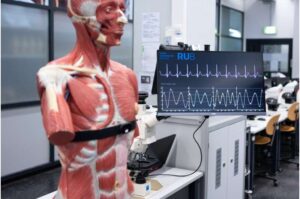
In addition to linguistic prompts, large language models can also understand, interpret, and adapt their responses to heart frequency data. Dr. Morris Gellisch, previously of Ruhr University Bochum, Germany, and now at University of Zurich, Switzerland, and Boris Burr from Ruhr University Bochum have developed a technical interface through which the physiological data can be transmitted to the language model in real time.

Researchers from Edith Cowan University (ECU) have developed an innovative new way to measure biological age, which could make it easier to detect and track age-related conditions.
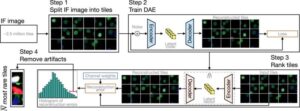
When cancer spreads, tiny amounts of cells can break away from tumors and circulate in the bloodstream. A liquid biopsy is a means to detect the presence of cancer by detecting these cancer cells floating in blood samples. However, current state-of-the-art methods have necessitated trained specialists to comb through and review images of thousands of cells out of potentially millions of cells on a slide over a period of many hours.
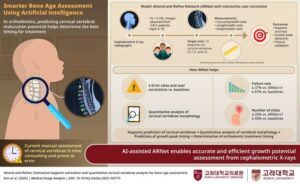
Orthodontic treatment is most effective when timed to coincide with a child’s growth peak. Traditionally, clinicians estimate growth by examining X-ray images of the cervical vertebrae—the neck bones visible in routine dental radiographs. However, this process requires careful manual annotation of specific points on the bones, a task that is both time-consuming and prone to variation between observers.